Discover the environmental and economic benefits of using PP woven bags in agriculture with our latest article. As the industry moves towards sustainable practices, PP woven bags stand out for their durability, cost-effectiveness, and recyclability. Learn how these bags not only support the environment but also improve farmers' profitability by reducing packaging costs and losses due to damaged goods.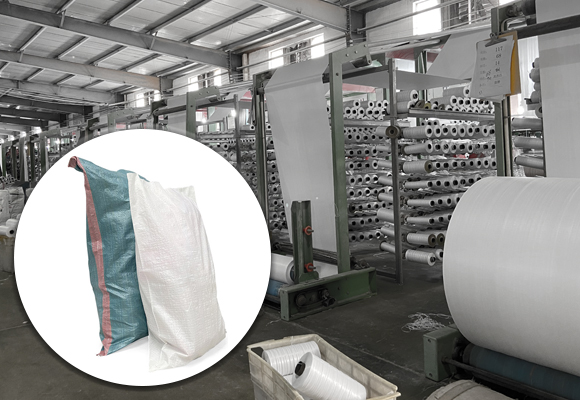
The agricultural sector is evolving, and with it, the packaging solutions that support it must also change for the better.
Polypropylene (PP) woven bags have emerged as a frontrunner in the race towards sustainability. In this comprehensive guide, we'll explore how PP woven bags are paving the way for a greener, more efficient future in agricultural packaging.
Durability Meets Sustainability
PP woven bags are revered for their exceptional durability, capable of withstanding rough handling and heavy loads which reduces the risk of product loss during transit. The strength of these bags can lead to repeated use, offering a significant reduction in packaging costs over time.
Economic Advantages for Farmers
We'll delve into real-world examples demonstrating the cost benefits of PP woven bags. Farmers will learn how these bags can be an economically sound investment, with their reusability leading to decreased overall costs while maintaining or enhancing the quality of produce delivery.
Recyclability and Environmental Impact
Our article will analyze the life cycle of PP woven bags, highlighting their recyclability and the positive environmental impact this yields. We will discuss initiatives and programs that encourage the recycling of these bags, contributing to a circular economy within agriculture.
Customization Opportunities
Customization is a significant advantage of PP woven bags. The article will cover how farmers can tailor these bags to their specific needs—size, color, printing—enabling them to stand out in a crowded market and really showcase their brand.
Conclusion:
Embracing PP woven bags is more than a trend; it's a forward-thinking approach to farming that benefits the planet and profit margins. Our detailed guide aims to inform and inspire agricultural professionals to make the switch to a packaging solution that meets the demands of the present and anticipates the needs of the future.


